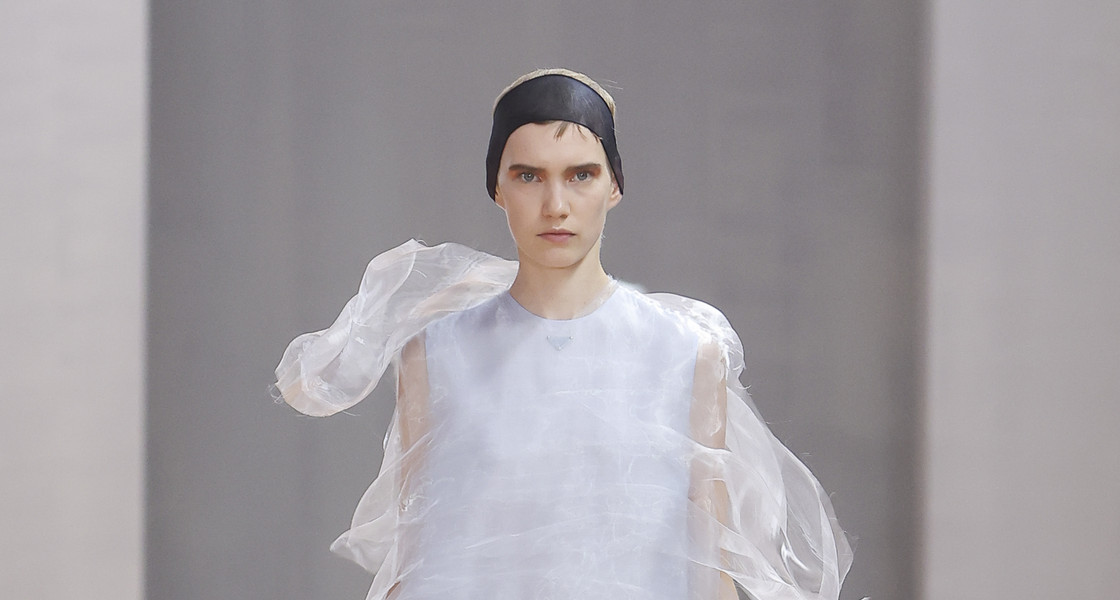
Fashion Feast Style Ideas That Will Transform Your Wardrobe, In the evolving landscape of modern fashion, personal style is no longer defined by quantity but by intention. Wardrobes are becoming curated collections rather than overflowing storage spaces. Within this refined approach to dressing, fashion feast style ideas offer a fresh perspective on how clothing can be reimagined, restyled, and elevated to create transformative visual impact with minimal effort and maximum creativity.

The Shift Toward Intentional Wardrobe Building
Modern fashion culture has moved away from impulsive consumption toward intentional styling. Instead of chasing endless trends, individuals are now focusing on building versatile wardrobes that reflect identity and adaptability.
This shift emphasizes quality over quantity. Each garment is chosen with purpose, ensuring it can integrate seamlessly into multiple outfits. The result is a wardrobe that feels cohesive rather than chaotic.
Intentional dressing also encourages creativity. When options are streamlined, styling becomes more imaginative. A single piece can be reinterpreted in multiple ways depending on context and pairing.
Layering as a Stylistic Language
Layering is one of the most powerful tools in fashion transformation. It allows depth, dimension, and personality to emerge from simple combinations.
A basic outfit can be elevated instantly with thoughtful layering. A structured blazer over a soft knit top introduces contrast. A long coat over a fitted silhouette creates elongation and drama.
Textural layering adds even more complexity. Combining materials such as cotton, wool, silk, and denim creates visual richness that feels dynamic and intentional.
Seasonal adaptability is another advantage. Layering allows wardrobes to transition effortlessly between climates without sacrificing style.
This expressive technique is central to fashion feast style ideas, where layering becomes a form of visual storytelling.
Color Reinvention and Emotional Styling
Color plays a transformative role in wardrobe evolution. It has the power to shift mood, redefine aesthetics, and alter perception instantly.
Neutral palettes offer timeless versatility. Shades like beige, ivory, and charcoal create a foundation that can be endlessly styled.
Bold color integration introduces energy and individuality. A single vibrant piece can become the focal point of an entire outfit.
Monochromatic styling is another powerful technique. Dressing in varying tones of a single color creates cohesion and sophistication.
Unexpected color pairing adds creative tension. Contrasting hues can transform familiar garments into striking visual statements.
Silhouette Play and Proportion Dynamics
Silhouette is one of the most influential elements in fashion transformation. Adjusting proportions can completely redefine how an outfit is perceived.
Oversized garments introduce relaxed confidence and contemporary edge. Tailored pieces offer structure and refinement.
Balancing different silhouettes creates visual harmony. A loose top paired with fitted bottoms, or vice versa, generates dynamic contrast.
Asymmetry also plays a key role. Uneven hems, irregular cuts, and unconventional shapes add artistic intrigue to everyday styling.
Accessorizing as a Transformation Tool
Accessories hold immense power in wardrobe transformation. They can redefine an outfit without altering the core garments.
Statement jewelry introduces focal points that elevate simplicity. Minimal accessories, on the other hand, enhance elegance through restraint.
Bags and footwear act as structural anchors. They influence the tone of an outfit, shifting it from casual to formal or from soft to bold.
Even subtle additions such as belts, scarves, or eyewear can significantly alter visual direction.
Accessories function as modular elements within styling systems, reinforcing the adaptability of fashion feast style ideas.
Mixing Casual and Elevated Elements
One of the most compelling modern styling approaches is the fusion of casual and refined pieces. This contrast creates effortless sophistication.
Pairing structured blazers with relaxed denim introduces balance between polish and ease. Combining sneakers with tailored trousers creates modern versatility.
This blending of aesthetics reflects contemporary lifestyle needs. Fashion is no longer divided strictly into formal and casual categories.
Instead, hybrid styling dominates, allowing individuals to move seamlessly between environments without changing entire outfits.
Texture Contrast and Material Experimentation
Texture is an often overlooked but highly impactful styling element. It adds depth and tactile interest to visual composition.
Smooth fabrics such as silk or satin introduce elegance and flow. Heavier textures like tweed or leather add structure and strength.
Combining contrasting materials creates dimensional outfits. Soft meets rigid, glossy meets matte, lightweight meets dense.
This interplay enhances visual storytelling and elevates even the simplest combinations.
Minimalism with Impact
Minimalism in fashion is not about absence but refinement. It focuses on clarity, precision, and intentional design.
Clean silhouettes, neutral tones, and streamlined cuts define minimalist aesthetics. Yet within this simplicity lies powerful visual impact.
The key is detail. A perfectly tailored seam, a subtle stitch, or a refined cut can elevate minimal styling dramatically.
Statement Pieces as Wardrobe Anchors
Every wardrobe benefits from statement pieces that anchor styling direction. These items serve as focal points around which outfits are built.
Statement coats, bold dresses, and distinctive footwear can transform basic ensembles instantly.
The key is balance. A statement piece should be allowed space to stand out without competing elements overwhelming it.
When used strategically, these pieces redefine entire wardrobes.
The Art of Repetition with Reinvention
Repetition in fashion is often misunderstood. Wearing the same pieces multiple times does not limit style. Instead, it opens creative possibilities.
Reinventing outfits through different combinations allows garments to take on new identities. A single dress can appear casual, formal, or artistic depending on styling.
This approach encourages sustainability and creativity simultaneously.
It also reinforces the idea that style is not about excess but about imagination.
The Future of Personal Styling
Personal styling is becoming increasingly fluid, adaptive, and expressive. Technology, cultural influence, and sustainability are shaping how wardrobes evolve.
Digital tools now assist in outfit planning and style visualization. Sustainable fashion encourages mindful consumption and long term thinking.
Despite these innovations, the essence of style remains personal expression.
Wardrobes will continue to evolve as reflections of identity rather than static collections of clothing.
In this evolving landscape, fashion feast style ideas represent a transformative approach to fashion, where creativity, intention, and imagination redefine how everyday style is experienced and expressed.