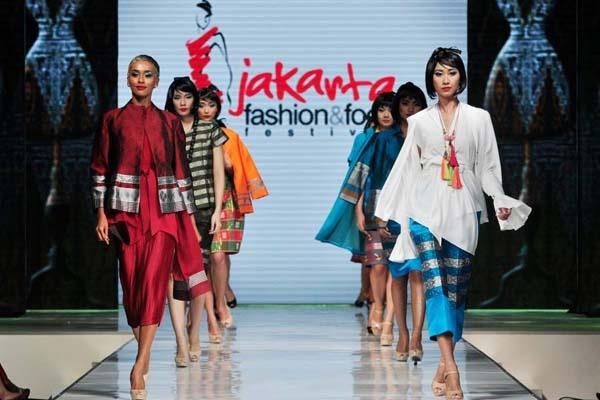
Fashion Feast: Where Trends Meet Your Plate
Fashion and food are two of life’s greatest pleasures—one feeds the soul with style, the other nourishes the body with flavor. But what happens when these two worlds collide? The result is a vibrant fusion of creativity, culture, and indulgence: a “Fashion Feast.” This concept isn’t just about wearing clothes that mimic food or eating dishes inspired by haute couture; it’s a celebration of how trends in both industries influence and inspire each other. From runway shows that double as dining experiences to chefs crafting dishes that look like works of art, the intersection of fashion and food is a feast for all senses.
The Rise of Edible Aesthetics in Fashion
Fashion has long drawn inspiration from food, but recent years have seen a delicious evolution. Designers are no longer just playing with patterns that resemble pizza slices or strawberry prints; they’re incorporating real edible elements into their collections. This trend blurs the line between wearable art and culinary delight, making fashion not just a visual statement but an immersive experience.
One of the most striking examples is the use of food-based dyes and fabrics. Brands like Marine Serre and Dolce & Gabbana have experimented with prints that mimic the vibrant hues of fresh produce, while others have collaborated with chefs to create clothing that can be “consumed” in a literal sense. Imagine a dress made from spun sugar or a jacket that smells like freshly baked bread—these are no longer far-fetched ideas but realities in the world of experimental fashion.
Runway Dining: Where Fashion Shows Become Meals
Imagine sitting in a dimly lit venue, the air filled with the scent of truffle oil and the hum of chatter, as models strut down the runway wearing avant-garde designs. But instead of ending with applause, the show transitions seamlessly into a multi-course meal. This is the genius of “runway dining,” a trend that has taken the fashion world by storm.
Designers like Iris Van Herpen and Alexander McQueen have hosted shows where the runway doubles as a dining table, with guests savoring gourmet dishes inspired by the themes of the collection. For example, a spring/summer collection might feature light, floral dresses paired with a tasting menu of edible flowers and citrus-infused dishes. This fusion creates a sensory overload in the best possible way, engaging taste, sight, and smell alongside the usual tactile and visual elements of fashion.
The Foodie Influence on Fashion Trends
Trends in food often seep into fashion, and vice versa. The global obsession with wellness and organic living has led to a surge in “clean” fashion—clothing made from sustainable materials like bamboo, hemp, and even algae. Similarly, the farm-to-table movement has inspired designers to create pieces that reflect the earthy tones and textures of natural ingredients. Think of earthy browns, creamy whites, and pops of green, reminiscent of a fresh farmers’ market.
Social media has amplified this crossover, with influencers and brands using platforms like Instagram to showcase food-inspired outfits. A viral TikTok trend might feature a “matcha latte aesthetic” complete with pastel greens, soft textures, and minimalist silhouettes, mirroring the drink’s calming, natural appeal. Meanwhile, food brands are adopting fashion-forward packaging and branding, using sleek typography and bold colors to appeal to the style-conscious consumer.
Cultural Fusion: From Street Food to Street Style
Food is a universal language, and fashion is its stylish counterpart. The fusion of global cuisines and street style has given birth to some of the most iconic trends in recent years. Take, for example, the rise of Korean street food culture, which has inspired not just a wave of Korean-inspired dishes in Western menus but also a trend in oversized, comfortable silhouettes reminiscent of hanbok robes worn by food vendors.
Similarly, the bold colors and patterns of Mexican textiles have influenced both home decor and wardrobe choices, with designers incorporating embroidered florals and vibrant hues into their collections. Even the humble taco has become a fashion icon, with brands like Taco Bell collaborating with streetwear labels to create limited-edition apparel that celebrates the fusion of Mexican cuisine and urban style.
The Future of Fashion Feasts: Sustainability and Innovation
As the world becomes more conscious of its environmental impact, the intersection of fashion and food is evolving to embrace sustainability. Innovations like lab-grown leather made from mushrooms or fabrics dyed with food waste are paving the way for a more eco-friendly future. Meanwhile, the “ugly food” movement—where misshapen or imperfect produce is celebrated—has inspired designers to create clothing that embraces imperfections, much like a rustic loaf of sourdough bread.
Technology is also playing a role in this fusion. Augmented reality (AR) and virtual reality (VR) are being used to create immersive fashion feasts, where users can “taste” the colors and textures of a collection through digital experiences. Imagine attending a virtual fashion show where you can smell the scent of the fabrics or taste the flavors of the dishes served—this is the future of sensory fashion.
How to Bring the Fashion Feast into Your Life
You don’t need a front-row seat at Paris Fashion Week or a Michelin-starred kitchen to experience the magic of a fashion feast. Here are some ways to incorporate this trend into your daily life:
- Wear Your Favorite Flavors: Look for clothing with prints or textures that remind you of your favorite foods—think banana leaf patterns, coffee bean embroidery, or even a dress that mimics the layers of a parfait.
- Dine Like a Designer: Choose restaurants or cafes that double as art installations, where the plating is as important as the taste. Seek out places that collaborate with local artists or fashion designers for a truly unique experience.
- Host a Fusion Dinner Party: Combine fashion and food by hosting a themed dinner where guests dress according to the menu. For example, a Mediterranean night could feature flowing white garments and dishes like hummus and baklava.
- Support Sustainable Brands: Look for fashion labels that use food-based dyes or sustainable materials. Brands like Stella McCartney and Patagonia are leading the way in eco-friendly fashion.
- Experiment in the Kitchen: Try recreating dishes inspired by fashion trends. A “color-blocked” salad with vibrant vegetables or a dessert shaped like a haute couture gown can be a fun and delicious project.
Conclusion: A Feast for the Senses
The fusion of fashion and food is more than just a trend—it’s a celebration of creativity, culture, and sensory delight. Whether it’s a runway show that becomes a meal, a dress that looks good enough to eat, or a meal that feels like a work of art, the Fashion Feast invites us to indulge in the beauty of both industries. As these worlds continue to collide, one thing is clear: the future of fashion is not just about what we wear, but what we eat—and how those experiences make us feel.