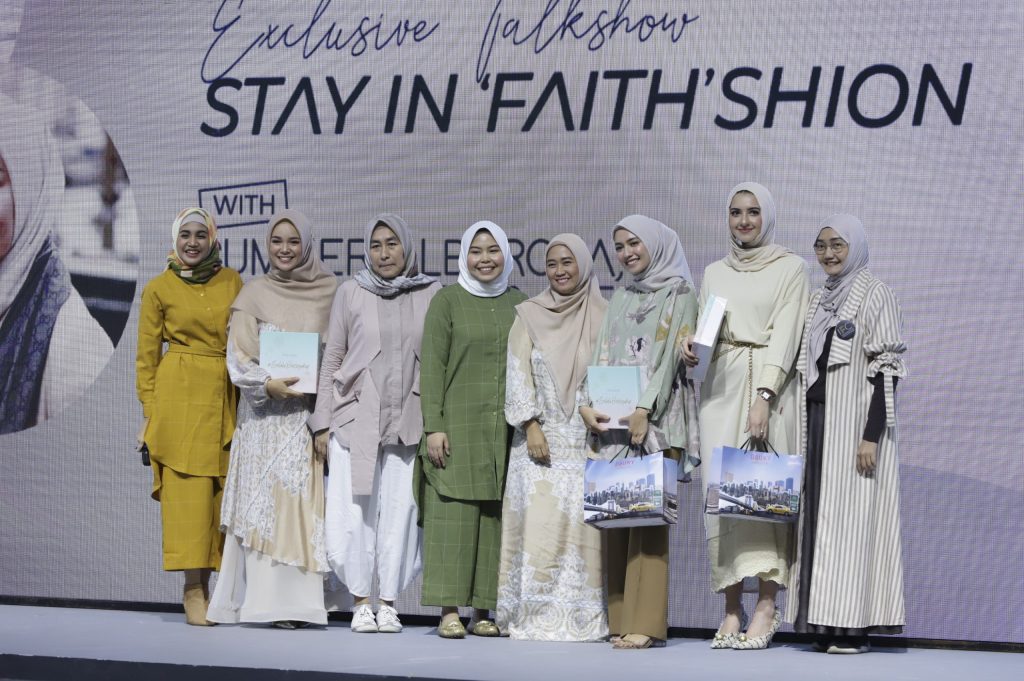
Fashion Trend Insight You Need to Know in 2026, Fashion in 2026 is no longer driven solely by seasonal cycles or runway exclusivity. It is shaped by cultural movements, digital ecosystems, sustainability imperatives, and hyper connected global communities. At the center of this transformation lies fashion trend insight, a concept that refers to the interpretation of evolving style patterns, consumer preferences, and aesthetic shifts that define the direction of fashion over time. This insight is not just about predicting what people will wear next, but about understanding why certain styles emerge, gain momentum, and eventually reshape the entire visual language of society. It acts as a compass for designers, brands, and consumers navigating an increasingly complex style environment where influences come from every direction simultaneously. The result is a fashion landscape that is fluid, adaptive, and deeply interconnected with cultural and technological change.

Digital Influence and the Rise of Virtual Aesthetics
One of the most powerful forces shaping fashion in 2026 is the integration of digital culture into everyday style expression. Social platforms, virtual environments, and augmented reality spaces have become influential arenas where trends are born and evolve rapidly. Digital avatars, virtual wardrobes, and AI generated fashion pieces are no longer experimental concepts but active components of modern style identity. These digital aesthetics often influence physical fashion cycles, creating a feedback loop between virtual creativity and real world apparel. Designers now draw inspiration from online communities where micro trends can emerge overnight and spread globally within hours. This acceleration of trend formation has transformed how fashion is conceptualized, making it more reactive, experimental, and visually diverse than ever before.
Sustainability as a Core Design Philosophy
Environmental awareness has become a defining principle in contemporary fashion development. Sustainable materials, circular production models, and ethical sourcing practices are no longer niche considerations but central components of mainstream design strategies. Consumers are increasingly conscious of the environmental impact of their clothing choices, driving demand for transparency and responsibility within the industry. This shift has led to innovations in biodegradable textiles, recycled fabrics, and low impact manufacturing processes. Designers are also rethinking production cycles to minimize waste and extend product lifespans through modular and adaptable clothing designs. Sustainability is no longer an optional feature but a foundational element shaping the future of fashion expression and industry standards.
The Role of Artificial Intelligence in Style Forecasting
Artificial intelligence has become a transformative tool in understanding and predicting fashion movements. Advanced algorithms analyze vast datasets derived from social media activity, retail behavior, cultural events, and search patterns to identify emerging style directions. These systems detect subtle shifts in color preferences, fabric choices, silhouette popularity, and accessory trends long before they become mainstream. AI driven forecasting allows brands to respond more quickly to changing consumer demands, reducing production inefficiencies and improving market alignment. Additionally, machine learning models assist designers in experimenting with new aesthetic combinations, generating innovative concepts that blend traditional craftsmanship with computational creativity. This fusion of human intuition and machine intelligence is redefining how fashion trends are conceptualized and executed.
Cultural Fusion and Global Style Interconnectivity
Fashion in 2026 is characterized by unprecedented cultural blending, where influences from different regions merge to create hybrid aesthetic expressions. Traditional garments are being reinterpreted through modern design frameworks, resulting in styles that honor heritage while embracing contemporary sensibilities. Global connectivity has enabled designers and consumers to access a wide range of cultural inspirations instantly, accelerating the exchange of ideas across borders. This cultural fusion has led to the rise of eclectic fashion identities that combine elements from multiple traditions into cohesive visual statements. The result is a more inclusive and diverse fashion ecosystem where creativity is no longer confined by geography but enriched by global collaboration and shared inspiration.
Personalization and Adaptive Fashion Systems
Modern fashion is increasingly moving toward personalization, where clothing and style recommendations are tailored to individual preferences, body types, and lifestyle patterns. Digital platforms now use behavioral data to suggest outfits, colors, and styles that align with user identities. Smart fabrics and adaptive clothing technologies are also emerging, allowing garments to adjust to environmental conditions or user needs. This level of customization enhances both functionality and aesthetic expression, creating a more intimate relationship between individuals and their clothing. Fashion is no longer a one size fits all industry but a dynamic system that evolves with each wearer. This shift toward personalization reflects a broader cultural emphasis on individuality and self expression in the digital age.
The Influence of Social Media Micro Movements
Social media continues to play a central role in shaping fashion direction, but its influence has become more fragmented and specialized. Instead of large scale trends dominating the industry, micro movements driven by niche communities are gaining prominence. These smaller trend ecosystems often emerge from specific interest groups, subcultures, or digital creators who experiment with unique visual identities. Their influence spreads rapidly through visual platforms where aesthetic appeal drives engagement. This decentralization of trend formation has made fashion more democratic and unpredictable. Designers and brands must now monitor multiple overlapping trend streams to stay relevant in a constantly shifting environment.
Material Innovation and Textile Technology
Advancements in material science are revolutionizing how clothing is designed and produced. Smart textiles capable of responding to temperature, movement, and environmental conditions are becoming increasingly integrated into fashion collections. Lightweight, durable, and multifunctional fabrics are replacing traditional materials, offering enhanced comfort and performance. Innovations such as lab grown fibers and bioengineered fabrics are pushing the boundaries of sustainability and functionality. These developments allow designers to experiment with new textures, forms, and structural possibilities that were previously unattainable. The integration of technology into textiles is creating a new category of intelligent fashion that merges aesthetics with adaptability.
The Expanding Role of Fashion Intelligence
As the fashion industry becomes more data driven and interconnected, the ability to interpret emerging patterns has become essential for success. Brands rely on advanced analytics to understand consumer behavior, anticipate demand shifts, and refine creative direction. This analytical approach transforms fashion from a purely artistic discipline into a hybrid system that combines creativity with strategic intelligence. Within this evolving landscape, fashion trend insight serves as a guiding framework that helps decode complex style movements and translate them into actionable design strategies, shaping the future of fashion expression in a world defined by constant innovation and cultural evolution.