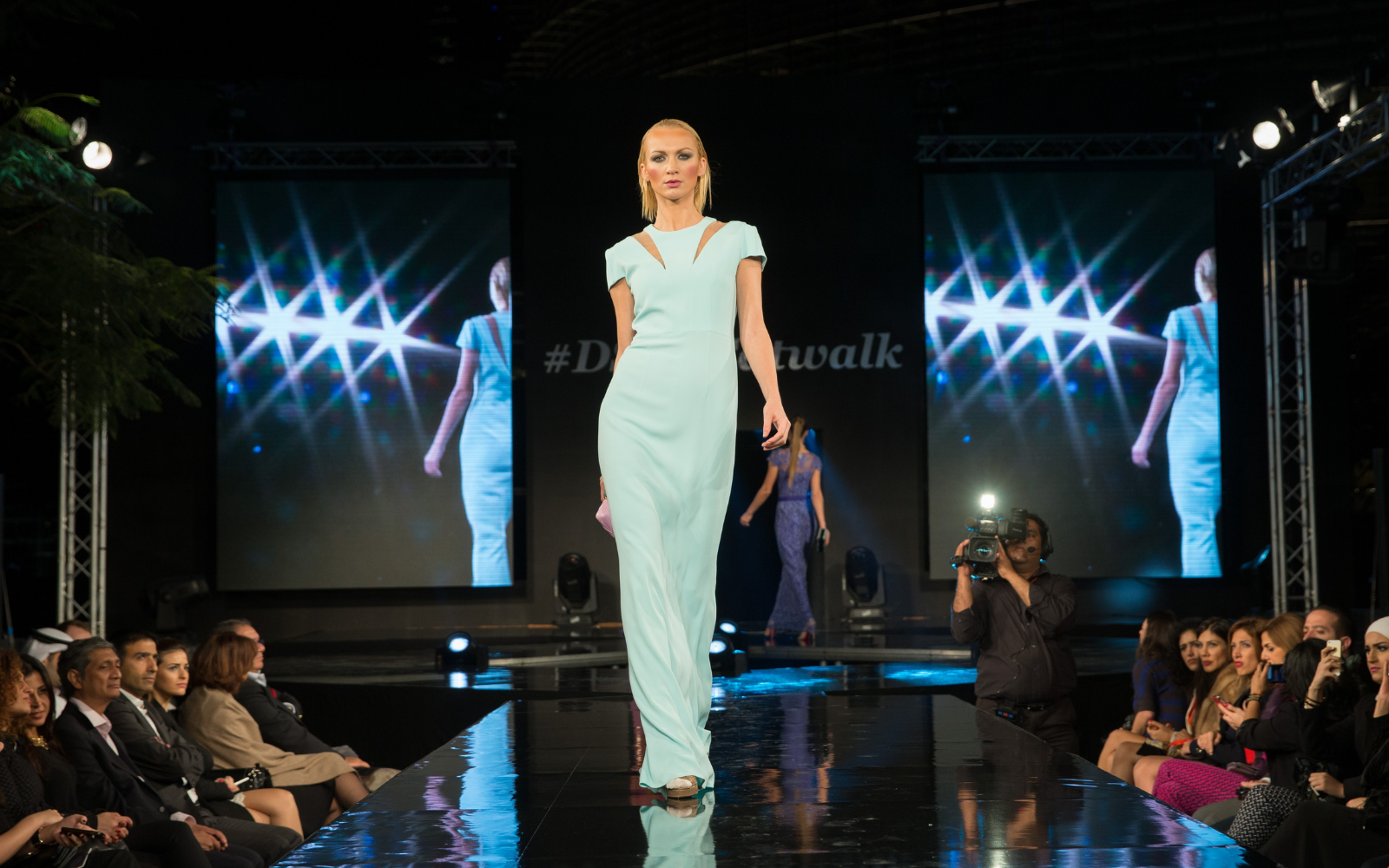
Minimalist Fashion Finesse That Defines True Elegance the philosophy of minimalist fashion finesse rests on the conviction that elegance is not born from abundance but from deliberate reduction. It is a style language that rejects excess in favor of clarity, where every element is intentional and nothing exists without purpose. In a world saturated with visual noise, this restraint becomes a form of authority.

Minimalism in fashion is often misunderstood as simplicity alone. It is more accurately a controlled refinement, where design is distilled to its most essential expression. The absence of clutter does not imply emptiness. Instead, it reveals structure, proportion, and nuance with greater clarity. This disciplined approach transforms dressing into a study of precision rather than accumulation.
The Authority of Clean Silhouettes
Silhouette forms the backbone of minimalist elegance. Clean lines and uninterrupted shapes create a sense of order that feels both modern and timeless. There is no reliance on ornamental distraction. The garment speaks through its architecture.
A well constructed piece holds presence without aggression. It frames the body in a way that feels natural yet composed. This balance between ease and structure defines refined dressing. The result is an appearance that feels resolved, as though every fold and seam has been considered with meticulous intent.
The Power of Restrained Color Palettes
Color, when used sparingly, becomes a powerful instrument. Neutral tones such as ivory, charcoal, sand, and muted black form the foundation of minimalist expression. These shades do not compete for attention. They harmonize, creating visual continuity across an entire ensemble.
Within such restraint, subtle variations gain significance. A slight tonal shift or a soft contrast becomes meaningful. This controlled palette allows the eye to rest while still engaging with depth. It reflects a philosophy where less color does not mean less impact, but rather more deliberate impact.
Texture as Subtle Complexity
In minimalist fashion, texture replaces ornamentation. It introduces dimension without disrupting clarity. Smooth wool, crisp cotton, brushed linen, and matte leather each contribute distinct tactile qualities that enrich the visual experience.
The interplay of textures creates quiet sophistication. A single outfit may appear simple at first glance, yet reveal complexity upon closer observation. This layered subtlety is what elevates minimalist dressing beyond mere simplicity. It becomes an exploration of material intelligence.
Precision in Fit and Construction
Fit is one of the most decisive elements in minimalist elegance. A garment must align with the body in a way that feels both natural and intentional. There is no room for excess fabric or unnecessary distortion. Precision is essential.
Tailoring enhances this effect. It refines silhouette, sharpens proportion, and ensures that each piece integrates seamlessly into the overall composition. When fit and construction are executed with accuracy, even the most understated garment gains presence. It communicates discipline without effort.
The Philosophy of Intentional Absence
Minimalism is defined as much by what is removed as by what remains. This principle of intentional absence is central to refined dressing. Every omission is a decision. Every reduction serves clarity.
Accessories, when used, are carefully measured. A single object often carries more weight than multiple competing elements. This restraint ensures that attention is directed rather than dispersed. The result is a focused aesthetic that feels composed and articulate.
Identity Through Controlled Expression
Personal identity in minimalist fashion emerges through subtle distinctions rather than overt declaration. The absence of excess allows individuality to surface through proportion, texture, and subtle styling choices.
This form of expression requires awareness. It is not about hiding personality but refining it. The wearer communicates through restraint, allowing form and detail to carry meaning. This creates a distinctive presence that feels both grounded and elevated.
The Enduring Language of Quiet Elegance
The enduring appeal of minimalist fashion finesse lies in its ability to define elegance through discipline rather than decoration. It is a style that resists distraction and favors coherence. Every element is purposeful, every detail considered.
Such refinement does not seek attention through volume. It commands it through clarity. In its quiet structure and measured composition, minimalist fashion establishes a lasting definition of elegance that remains relevant beyond shifting trends.